
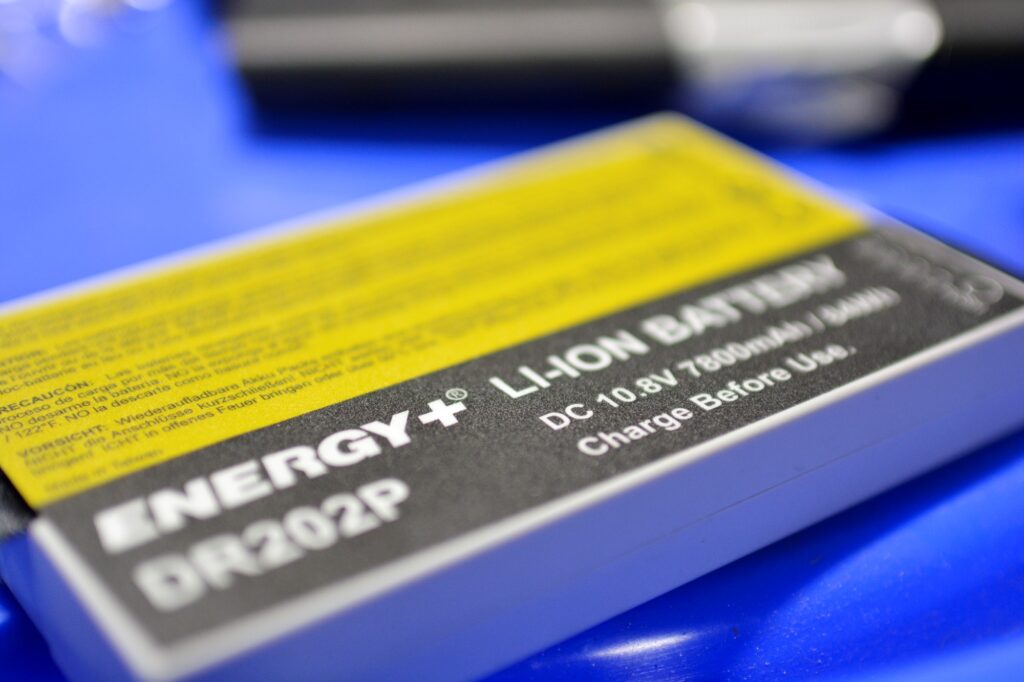
If you’ve got portable electronics, you’ve got some sort of battery powering them. And while in the past this would most likely have been disposable alkaline batteries or rechargeable nickel-cadmium batteries, lithium batteries (also known as lithium-ion batteries) are becoming increasingly common. Today, we’re going to go over which modern electronics contain lithium batteries, the risks these batteries can pose, and how to dispose of them, along with the electronics they came with.
Common Household Electronics with Lithium Batteries
Lithium batteries store more power, are rechargeable, and lighter than conventional batteries. As such, they are more likely to be incorporated into—or come with—modern electronics. Some examples include:
- Power-Hungry Portable Electronics: Cell phones and laptop computers are obvious examples, but any other portable electronic device that requires a lot of power for an extended period may use lithium batteries.
- Power Tool Batteries: Modern power tool batteries are likely lithium-ion, but older ones may be nickel-cadmium. While both are hazardous waste, handling and storage requirements may differ.
- Certain Disposable Products: For disposal electronics that need to be lightweight, they may contain lithium batteries, with a common example being disposable vapes. Make sure to review the instructions on these products before throwing them in the trash.
- Standard Battery Replacements: AA and AAA batteries are also available in lithium-ion options. These need to be sorted out from alkaline batteries (which can go in the trash) before disposal. Neither lithium batteries nor nickel-cadmium batteries can go in the trash.
Safely Handling and Storing Lithium Batteries
Lithium batteries are most at risk of damage during charging and are more susceptible to damage than other types of batteries. Make sure to store them safely. Both can cause a chemical reaction called “thermal runaway,” which produces intense heat and can start fires—fires that are very hard to put out by traditional means. Larger batteries, such as those in cell phones and laptops, are also at risk of swelling due to outgassing during charging. For more information on both, see our blog, Lithium Battery Disposal: Swelling and Fire Hazards Explained.
Your Options for Lithium Battery Disposal
Since lithium is reactive with water and can cause fires, lithium batteries cannot be disposed of in the trash. This isn’t true of all: some batteries can be disposed of at home, but the risk of fire means lithium batteries will not be handled by waste management. Your best option is to gather up these, other batteries that can’t be disposed of at home, and common types of electronics, and take them to your next hazardous waste event or municipal disposal facility.
Don’t have access to a facility or want to wait for your community’s next event? It’s time to come to an NEDT Collection Center! We simplify hazardous battery disposal alongside other common household hazardous products, providing quick and safe service for all your needs, including pick-up! It’s our goal to make disposing of residential hazardous waste easy, so contact us with any questions you have, and we hope to see you soon.


Leave a Reply