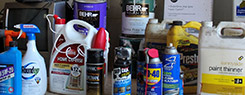
At NEDT, we take pride in providing information so you can make better-informed decisions when it comes to buying, storing, handling, and disposing of household hazardous products. These come in the form of our Fact Sheets: handy PDFs that provide all the information you’ll need. Below, we’ll better explain how to use this hazardous waste education, provide additional links you’ll find helpful, and review everything else needed to make your home a safer place when it comes to hazardous waste. [Read more…]
Can I Dispose of Car Oil Filters in the Garbage?
Whether you’re a car aficionado or simply like to save money by being handy with your car, you can suddenly find yourself with a lot of automotive waste and unsure of what can be thrown away. Today we’re going to look at the close companion to car motor oil: the oil filter. Learn more about how to handle and store them after use, the risks they have as hazardous waste, and how to dispose of car oil filters—including your options for recycling them. [Read more…]
How to Safely Dispose of Gardening Chemicals
Gardening is a great hobby, bringing color to your home, outdoor living spaces, and even fruits and vegetables to the table! But like with all hobbies, you’ll accumulate your fair share of gardening products for everything from preparing the soil to managing the weeds. After a few years, you can build up quite a collection of hazardous gardening products, so today we’re going to talk about how to handle, store, and safely dispose of gardening chemicals. [Read more…]
Why We Don’t Accept Hazardous Construction Materials
At NEDT, we accept many kinds of household hazardous products, but not hazardous construction materials. When it comes to hazardous waste such as asbestos or lead-painted wood, the risk they pose during removal, transit, and delivery puts both the homeowner and staff at risk. Today we’re going to talk about what to do when you discover hazardous construction materials like asbestos or painted lead, why you should leave removal and transportation to the experts, and what other materials you can bring into one of our collection centers. [Read more…]
TV Disposal: Differences Between Old and New Monitors
Whether a computer monitor is past its prime or a newer flatscreen TV is being replaced in a media center overhaul, unneeded TVs and other electronics can start to pile up. Unlike other household products which can be easily recycled or thrown away, these electronics require specialized tv disposal. But what makes them hazardous household products and is either form of electronic waste (eWaste) more harmful than the other or needs additional care? [Read more…]
- « Previous Page
- 1
- …
- 4
- 5
- 6
- 7
- 8
- …
- 13
- Next Page »